
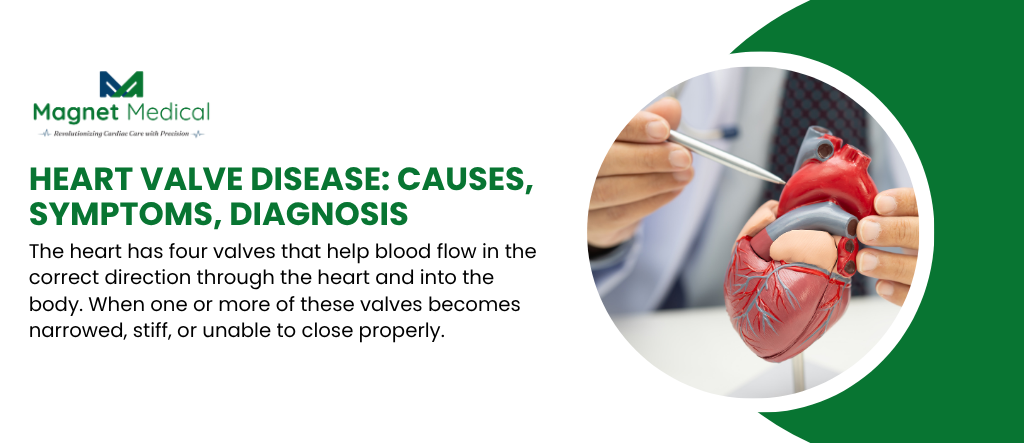
The heart has four valves that help blood flow in the correct direction through the heart and into the body. When one or more of these valves becomes narrowed, stiff, or unable to close properly, it can interfere with normal blood flow. This is known as heart valve disease or valvular heart disease.
Heart valve problems can range from mild conditions that require regular monitoring to severe disease that may need medication, a catheter-based procedure, or surgery. Understanding the causes, symptoms, diagnosis, and treatment options can help patients recognize potential problems and seek appropriate medical care.
What Is Heart Valve Disease?
The heart contains four main valves:
- Mitral valve – controls blood flow between the left atrium and left ventricle.
- Aortic valve – controls blood flow from the left ventricle into the aorta.
- Tricuspid valve – controls blood flow between the right atrium and right ventricle.
- Pulmonary valve – controls blood flow from the right ventricle toward the lungs.
A healthy valve opens and closes at the appropriate time. Valve disease can occur when a valve does not open completely or does not close properly.
The two major types of valve problems are stenosis and regurgitation.
Valve Stenosis
Stenosis occurs when a valve becomes narrowed or stiff. This makes it harder for blood to pass through the valve, causing the heart to work harder to pump blood.
Valve Regurgitation
Regurgitation occurs when a valve does not close completely, allowing blood to flow backward. This can reduce the efficiency of the heart and, over time, place additional strain on the heart muscle.
Some people may have both stenosis and regurgitation affecting the same valve.
What Causes Heart Valve Disease?
Heart valve disease can develop for many different reasons. Some valve conditions are present from birth, while others develop later in life.
Common causes and risk factors include:
1. Age-Related Changes
As people age, heart valves can become thicker, stiffer, or develop calcium deposits. These changes can contribute to conditions such as aortic stenosis.
2. Congenital Heart Valve Problems
Some people are born with abnormal heart valves. For example, a bicuspid aortic valve has two leaflets instead of the usual three and can increase the risk of valve disease.
3. Rheumatic Heart Disease
Rheumatic fever can damage heart valves and may lead to long-term valve problems, particularly involving the mitral valve.
4. Infections
Infections involving the inner lining of the heart, known as infective endocarditis, can damage heart valves.
5. Other Heart Conditions
Certain conditions, including coronary artery disease, heart failure, or previous heart damage, may affect how the valves function.
6. Other Medical Conditions
Some systemic or connective-tissue conditions can also affect the structure and function of heart valves.
Symptoms of Heart Valve Disease
Mild valve disease may cause no noticeable symptoms, especially during its early stages.
As the condition progresses, symptoms may include:
- Shortness of breath
- Fatigue or weakness
- Chest discomfort or pain
- Dizziness or lightheadedness
- Fainting
- Heart palpitations
- Swelling of the ankles, feet, or abdomen
- Reduced ability to exercise
- Breathlessness when lying down
Symptoms can vary depending on which valve is affected and how severe the condition is.
It is important to remember that these symptoms can have many different causes. Persistent or unexplained symptoms should be evaluated by a qualified healthcare professional.
How Is Heart Valve Disease Diagnosed?
Doctors typically begin with a medical history and physical examination. During the examination, a healthcare professional may listen to the heart for an unusual sound called a heart murmur, which can sometimes indicate abnormal blood flow through a valve.
Additional tests may include:
Echocardiogram
An echocardiogram uses ultrasound to create images of the heart. It can help assess valve structure, movement, blood flow, and the overall function of the heart.
Electrocardiogram (ECG)
An ECG records the heart’s electrical activity and can help identify certain rhythm abnormalities or signs of heart strain.
Chest X-Ray
A chest X-ray may provide information about the size of the heart and the lungs.
Cardiac CT or MRI
In selected cases, advanced imaging such as CT or MRI may provide additional information about the heart and valves.
Cardiac Catheterization
Cardiac catheterization may be used when more detailed information about pressures and blood flow is needed or when evaluating a patient for certain procedures.
The choice of tests depends on the individual’s symptoms, medical history, and suspected valve problem.
Why Early Detection Matters
Heart valve disease can sometimes progress slowly, and symptoms may not appear until the condition becomes more advanced.
Early evaluation can help healthcare professionals:
- Identify valve abnormalities
- Monitor disease progression
- Assess heart function
- Manage associated risk factors
- Determine when treatment may be necessary
A heart murmur or unexplained symptoms does not automatically mean that someone has serious valve disease, but they may warrant further evaluation.
Can Heart Valve Disease Be Prevented?
Not every form of heart valve disease can be prevented, particularly congenital or age-related conditions. However, certain steps can support overall cardiovascular health and reduce the risk associated with some acquired conditions.
These include:
- Managing blood pressure and cholesterol
- Maintaining a healthy weight
- Staying physically active
- Eating a balanced diet
- Avoiding tobacco
- Managing conditions such as diabetes
- Following appropriate treatment for infections
- Attending recommended medical check-ups
People with known valve disease should follow their healthcare professional’s recommendations for monitoring and treatment.
When Should You Seek Medical Attention?
Seek medical advice if you experience persistent shortness of breath, unexplained fatigue, chest discomfort, fainting, palpitations, or swelling.
Sudden or severe chest pain, severe difficulty breathing, fainting, or other symptoms suggesting a medical emergency require urgent medical attention.
Conclusion
Heart valve disease can affect the way blood moves through the heart and may range from mild and manageable to severe and requiring intervention. Understanding the different types of valve disease, potential causes, warning signs, diagnostic tests, and available treatments can help patients make informed decisions about their heart health.
Regular medical evaluation is particularly important when symptoms or a heart murmur are present. With appropriate monitoring and treatment, many people with heart valve disease can receive effective care and maintain a good quality of life.