

Minimally Invasive Cardiac Surgery (MICS) is transforming the way cardiac procedures are performed offering reduced trauma, faster recovery, and improved patient outcomes. At the core of this advancement lies femoral cannulation, a critical technique that enables efficient extracorporeal circulation without the need for full sternotomy.
What is Femoral Cannulation?
Femoral cannulation involves inserting cannulas into the femoral artery and vein (typically in the groin area) to establish cardiopulmonary bypass. This approach allows surgeons to perform complex cardiac procedures through smaller incisions while maintaining optimal blood flow.
Why is Femoral Cannulation Crucial for MICS?
1. Enables Minimally Invasive Access
Femoral cannulation eliminates the need for large chest openings, making it ideal for MICS procedures.
2. Maintains Stable Circulation
It ensures continuous and controlled blood flow during surgery, supporting vital organ function.
3. Improves Surgical Visibility
By redirecting blood flow, it provides a clearer surgical field for precise intervention.
4. Reduces Patient Trauma
Smaller incisions mean less pain, reduced infection risk, and quicker recovery.
Key Features of Advanced Femoral Cannulas
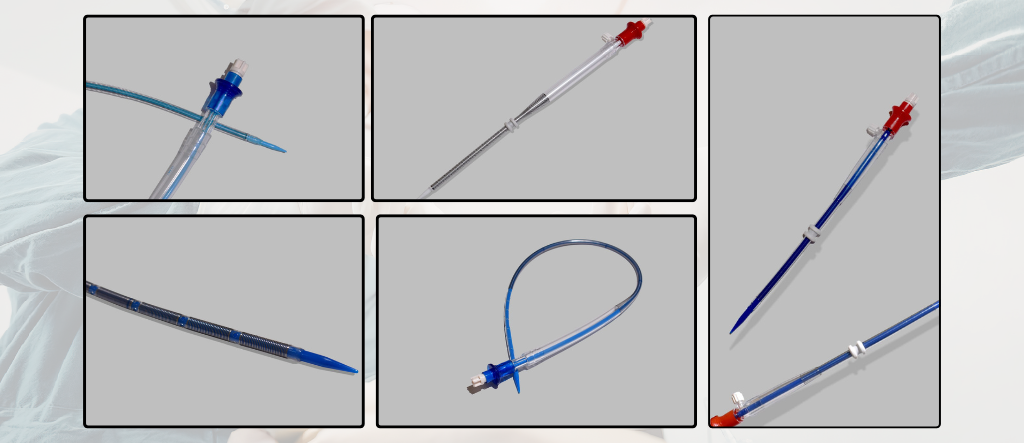
Modern femoral cannulas are engineered to meet the demands of complex cardiac procedures:
- Flexible & Kink-Resistant Design
Ensures uninterrupted blood flow even in challenging anatomical conditions. - Thin-Wall Construction
Allows maximum flow rates with minimal resistance. - Multiple Side Holes
Provide optimal drainage and smooth flow distribution. - Radiopaque Markings
Enable accurate placement under imaging guidance. - PVC Dilator Tip Introducer
Assists in smooth and safe insertion. - Vented Connectors
Support efficient air management and secure connections.
Availability & Customization
At Magnet Medical, femoral cannulas (including MICS cannulas) are available in:
- Multiple sizes for adult and pediatric use
- Different lengths and configurations for varied surgical needs
- Compatibility with standard perfusion systems
- Custom solutions based on hospital requirements
Our products are designed to deliver reliability, precision, and performance in every procedure.
Future Upgradation & Innovation
As cardiac surgery evolves, so do we.
Magnet Medical is actively working on:
- Enhanced flow dynamics technology for improved perfusion efficiency
- Advanced coating solutions to reduce thrombogenicity
- Improved ergonomics for easier handling and insertion
- Next-generation minimally invasive solutions tailored for evolving surgical techniques
Our goal is to continuously innovate and provide cutting-edge solutions for cardiac care.
Conclusion
Femoral cannulation plays a vital role in the success of minimally invasive cardiac surgery. With the right cannula design and technology, surgeons can achieve better precision, improved outcomes, and enhanced patient safety.
Magnet Medical remains committed to supporting healthcare professionals with high-performance femoral cannulas and advanced cardiac solutions.
Frequently Asked Questions (FAQs)
1. What is the main advantage of femoral cannulation in MICS?
It allows surgeons to perform cardiac procedures with smaller incisions while maintaining effective blood circulation.
2. Are femoral cannulas suitable for all patients?
They are widely used but depend on patient anatomy and clinical condition. Surgeons decide based on individual cases.
3. How do MICS cannulas improve surgical outcomes?
They provide better flow control, reduce complications, and support minimally invasive techniques.
4. What sizes are available for femoral cannulas?
They are available in various sizes for both adult and pediatric patients.
5. What makes Magnet Medical cannulas reliable?
High-quality materials, advanced design, and precision engineering ensure consistent performance and safety.