
Cardiac surgery, especially procedures involving cardiopulmonary bypass (CPB), requires precise control over blood flow and composition. During these procedures, even small contaminants like air bubbles, gas, or particulate debris can lead to serious complications. This is where arterial filters play a critical role in ensuring patient safety and successful surgical outcomes.
What is an Arterial Filter?
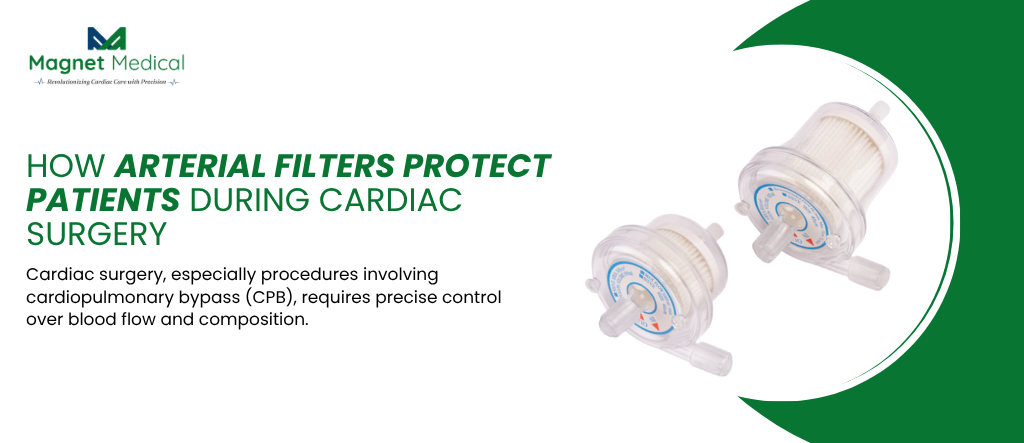
An arterial filter is an essential component of the perfusion circuit used during cardiac surgery. It is designed to remove air, gas, and microscopic debris from the blood before it is returned to the patient’s arterial system.
By acting as a protective barrier, arterial filters help maintain clean, safe, and controlled blood flow throughout the procedure.
Why Arterial Filters are Crucial in Cardiac Surgery
During cardiopulmonary bypass, blood is circulated outside the body through a heart-lung machine. This process increases the risk of:
- Air embolism
- Particulate contamination
- Gas bubbles entering circulation
Without proper filtration, these risks can lead to serious complications such as embolic events, which may affect vital organs like the brain and heart.
Arterial filters are designed to prevent these risks and ensure safe perfusion.
How Arterial Filters Protect Patients
1. Removal of Air, Gas, and Debris
Arterial filters effectively eliminate air bubbles, gas, and particulate matter from the blood, ensuring only clean blood re-enters the body.
2. Prevention of Embolic Events
By filtering out harmful particles, arterial filters significantly reduce the risk of embolism, which can otherwise lead to stroke or organ damage.
3. Maintenance of Safe Perfusion
They ensure a smooth and uninterrupted flow of blood, maintaining stable perfusion during complex surgical procedures.
Key Features That Enhance Safety
High Filtering Efficiency (>99%)
Advanced arterial filters are capable of removing more than 99% of microbubbles and debris, ensuring maximum safety.
Low Flow Resistance
Designed to allow smooth blood flow with minimal resistance, preventing pressure fluctuations and maintaining efficiency.
Biocompatibility
Made from biocompatible materials, these filters reduce the risk of adverse reactions and ensure compatibility with blood components.
Easy Integration with Heart-Lung Machines (HLMs)
Arterial filters are designed for seamless integration with perfusion systems, making them easy to use in surgical setups.
Real-Time Monitoring Capabilities
Modern arterial filters come equipped with monitoring features that allow clinicians to track performance and ensure optimal functioning during surgery.
Impact on Surgical Outcomes
The use of high-quality arterial filters directly contributes to:
- Enhanced patient safety
- Reduced risk of complications
- Improved surgical efficiency
- Better post-operative recovery
By ensuring clean and controlled blood circulation, arterial filters play a vital role in successful cardiac surgeries.
Why Choose Advanced Arterial Filters?
In today’s advanced cardiac care environment, choosing the right arterial filter is essential. High-performance filters not only improve safety but also enhance the overall efficiency of the surgical procedure.
At Magnet Medical, arterial filters are designed with precision, reliability, and performance in mind supporting healthcare professionals in delivering better patient outcomes.
Conclusion
Arterial filters are more than just a component in the perfusion system they are a critical safeguard for patient safety during cardiac surgery. By removing harmful elements from the blood and preventing embolic events, they ensure smooth and reliable perfusion.
For surgeons and hospitals aiming to achieve the highest standards of care, investing in advanced arterial filtration systems is a vital step toward better surgical outcomes.
Frequently Asked Questions (FAQs)
1. What is the main function of an arterial filter?
To remove air, gas, and debris from blood during cardiopulmonary bypass.
2. Why is filtering important during CPB?
It prevents embolic events and ensures safe blood circulation.
3. What does >99% filtering efficiency mean?
It indicates the filter can remove over 99% of harmful particles and microbubbles.
4. How does low flow resistance help?
It ensures smooth blood flow without increasing pressure in the system.
5. Are arterial filters compatible with all perfusion systems?
Most modern filters are designed for easy integration with standard heart-lung machines.